
How the Texas Lege Has Failed To Help Mental Health
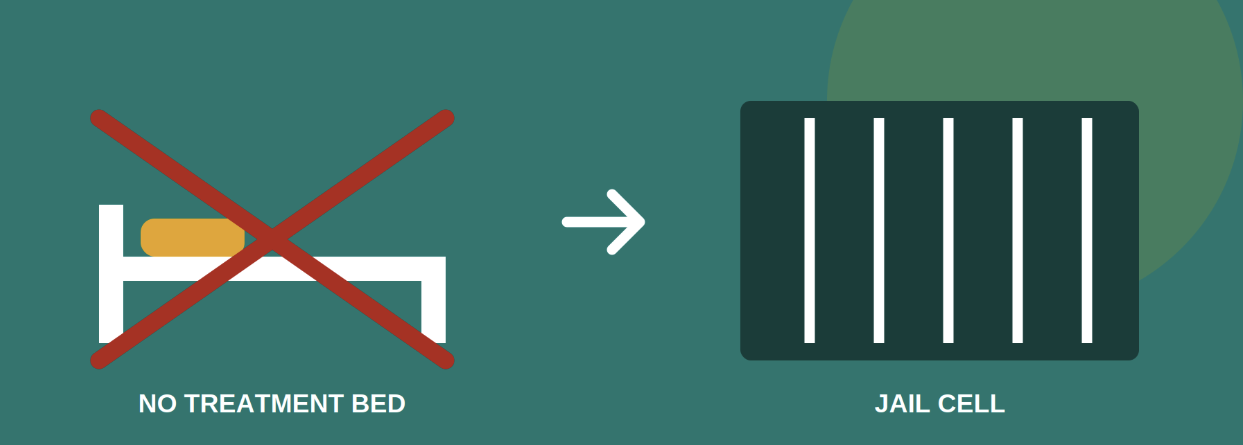
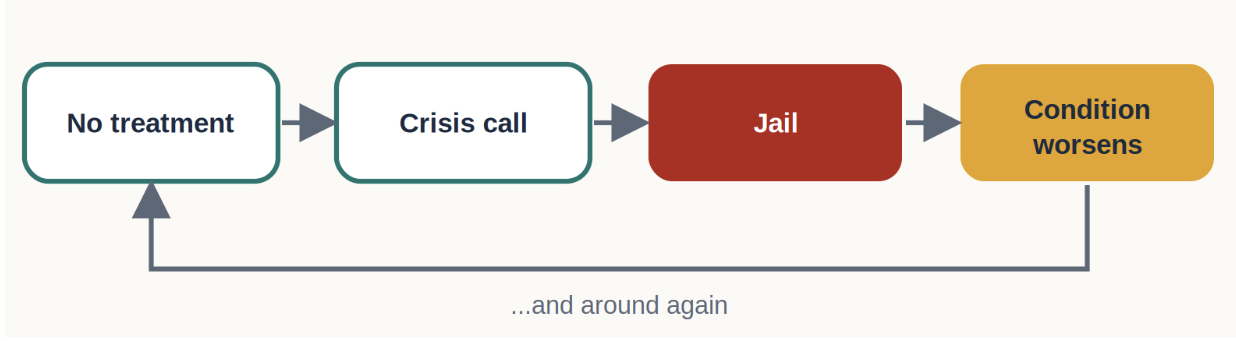
The Texas Legislature has spent years acknowledging the link between mental health care and the criminal justice system. It has also spent years failing to act on it. In some cases, lawmakers have actively weakened the state's treatment infrastructure. As a result of the Legislature’s decades of failures on this issue, those in need of mental health treatment ultimately end up in the criminal justice system, exacerbating their mental health issues and increasing the likelihood that they will return to jail.
What law enforcement and prosecutors are saying
At a July interim hearing of the Senate Health and Human Services Committee, the people dealing with the fallout spoke plainly.
Sheriff Brian Hawthorne, Chambers County
The President of the Sheriff's Association of Texas described the lack of available mental health resources and called for expanding diversion programs. They would keep people in need of treatment from cycling through the criminal justice system, help his county's most vulnerable residents, and ease the strain on law enforcement.
District Attorney Jennifer Tharpe, Comal County
D.A. Tharpe testified that she is seeing more people with mental illness in the system than at any point in her two decades as a prosecutor, and that the Legislature has consistently refused to increase mental health resources as communities grow.
The warning signs are everywhere
These are not isolated complaints:
Across the state, hospitals, local health departments, and behavioral‑health oversight bodies report severe underfunding:

The Behavioral Health Commission lacks resources to investigate complaints or oversee providers.
Local officials statewide are requesting more funding to respond to mental‑health crisis calls — which increasingly fall to police.
Hospitals warn that Medicaid and state funding shortfalls threaten psychiatric bed capacity.
The Texas Health Department has requested additional funding just to maintain existing programs.
Federal courts have ruled that state hospital waitlists for competency restoration are unconstitutional, because people languish in jail for months or years waiting for treatment beds.
Even when courts or communities attempt treatment, the treatment beds do not exist. This is not a prosecutor problem. It's a lege-created issue.
